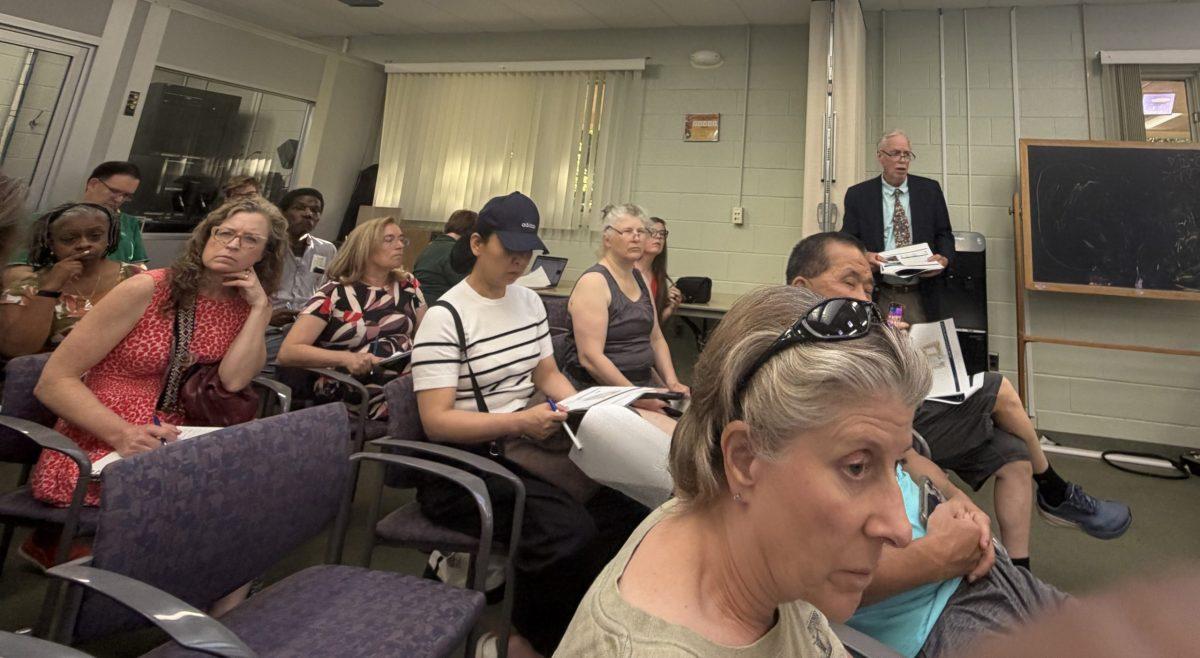











Members of the College Park City Council in May had uncharacteristic run-ins with two developers who, the officials claimed, are not honoring the promises they made during past negotiations with the city.
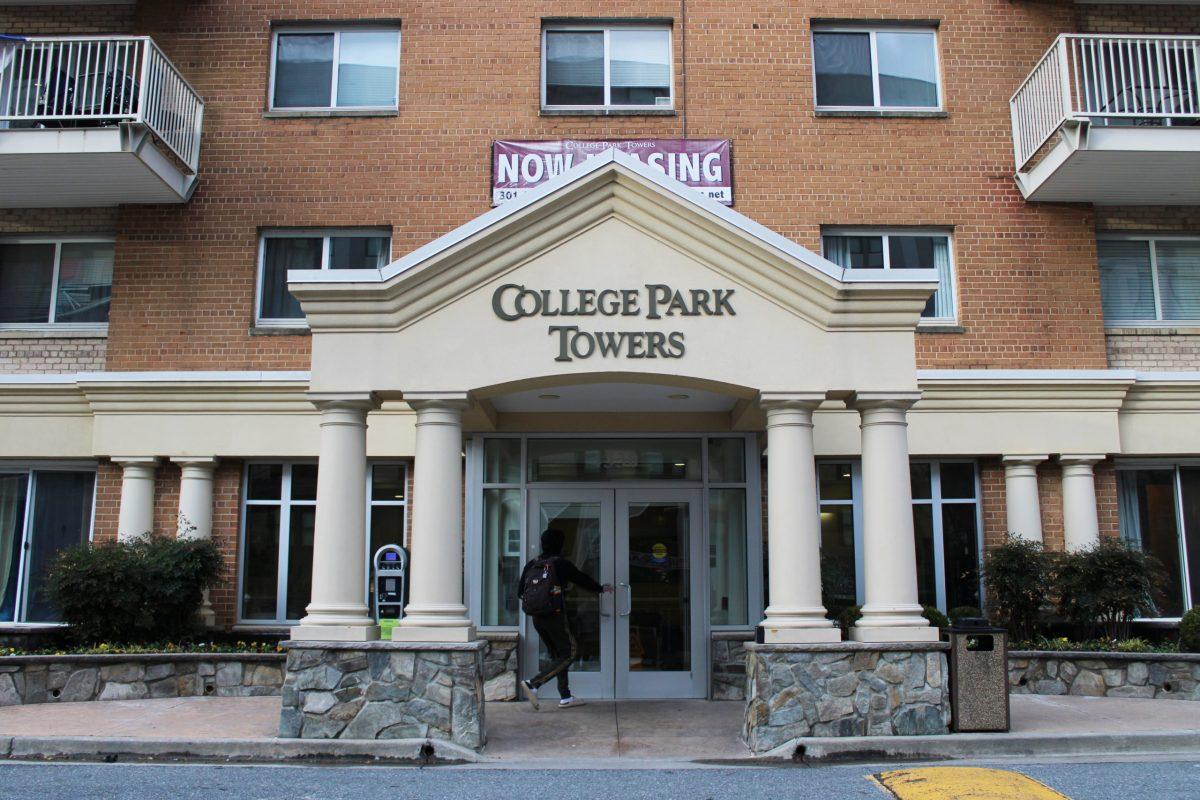
During a May 12 council meeting, members accused representatives of The Mark, which is slated to replace College Park Towers on Hartwick Road with two student apartment buildings, of pulling a last-minute bait-and-switch by dropping a promised 30% rent discount down to 10%.
The developer pivoted to the lower discount after the city had endorsed the project to Prince George’s County zoning officials. College Park and most other cities in the county have no zoning authority but can recommend which action they want the county to take when it comes to local development.
“You got our endorsement on these conditions,” Councilmember Ray Ranker (District 3) warned the developer. “You took it, you got through the [Prince George’s County] zoning amendments, and then all of a sudden you said no. … To the public and to this body, that looks like a switcheroo.”
“The motion was clear, in public, 30% off of 10% of the [beds],” Councilmember Jacob Hernandez (District 1) added. “I decided last time to agree but I understood that you were working in good faith. You have a unanimous discontent on this side of the table … and from residents.”
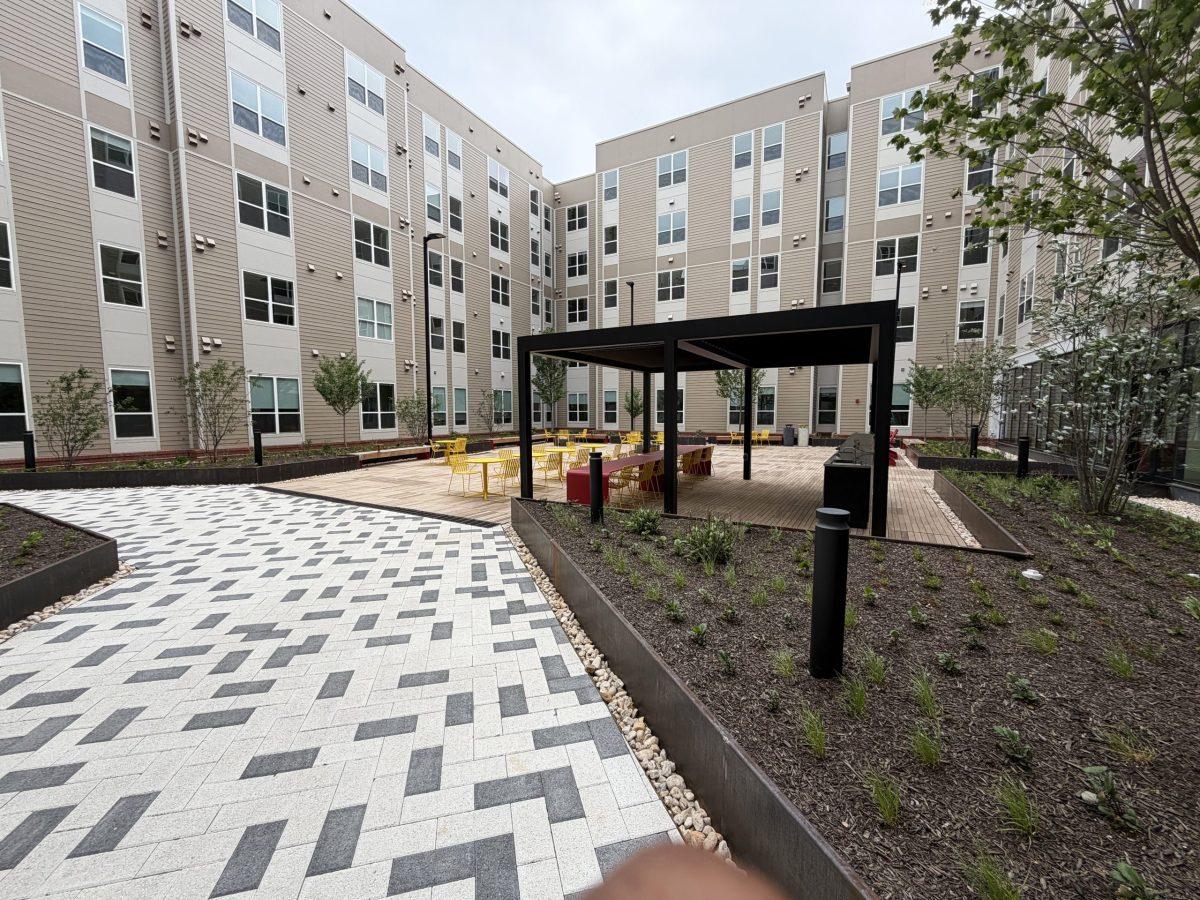
The project involves tearing down College Park Towers, a 64-year-old condominium building, and replacing it with two new luxury high-rises. The new complex will have roughly 589 units and 2,030 beds and include a pool, interior courtyards and other amenities.
The confrontation centered on an April 2025 agreement between the city and the developer’s representatives, who had agreed to set aside 10% of the complex’s 2,030 beds for a 30% rent discount with preference for Pell Grant recipients and veterans. The city agreed that the developer could restrict the discounts to beds in four-bedroom, two-bath units, which come with the lowest rents.
Councilmembers said they endorsed the developer’s request for a zoning exception based on that agreement.
But developers said at the May 12 city council meeting that they had received an email before the county’s ruling asking that the discount be dispersed among all unit types, not just the cheapest ones. In response, the developer lowered the discount from 30% to 10%.
City Manager Kenny Young disputed that defense. He clarified that staff merely asked to distribute the discount to beds in all unit sizes, but never authorized cutting the 30% discount rate down to 10%.
In response, the developer’s lawyer, Chris Hatcher, asked for room to negotiate how the 30% discount fits the building’s layout.
“30% reduction, let’s do it,” Hatcher said, but added, “To the extent we’re talking about something other than these [four-bedroom] options, we’re going to have to look at it because these are new details for us.”
Hatcher continued: “I’m not expressing resistance to the level of affordability. … We have the commitment, we want to do it. We just want some flexibility.”
The developers were scheduled to appear before the city council again on May 19, but the council rescheduled it for June 2.
In a separate discussion over the course of two meetings, the city council debated for nearly four hours before agreeing on May 19 to send a letter of support to county planners on behalf of a different developer with plans to build an apartment complex at the corner of Route 1 and Cherokee Street.
The developer, who said he plans to build a 243-unit multifamily apartment complex targeted at working professionals, families and University of Maryland faculty, is asking the county for a massive tax break through a program called Payment In Lieu of Taxes, or PILOT.
Without county assistance, developer Chris Lessard, the founder and managing member of Metropolitan Development Group, told the council he cannot afford to build the complex. Lessard said his company intends to invest $30 million of its own money into the project.
He did not ask the city for money. Economic Development Director Michael Williams said at the meetings that the company does not qualify for city tax breaks.
While the county—not the city—can approve the county tax abatement, county authorities rely on input from local officials when considering requests from developers.
The site of the project, known as The Boulevard, at 9091 Baltimore Ave., has sat vacant for nearly two decades. While townhouses at the rear of the property were completed years ago, the highly visible corner at Cherokee Street has remained empty.
City Councilmember Alan Hew (District 1) aggressively opposed the project, criticizing its lack of ground-floor retail space. Hew noted that under a previous site plan—approved before parts of the property were sold to two separate developers, including Lessard’s company—the community was promised more than 40,000 square feet of retail on the street level across the complex. Hew argued that North College Park lacks walkable retail options and objected that the proposed commercial space for the new apartment building is less than 4,000 square feet.
“This is a joke,” he said of the developer’s request for a letter of support before he voted against it.
The council ultimately agreed to send the letter, with a laundry list of conditions, including a set-aside for affordable apartments, reserved parking spaces and stormwater runoff control.